
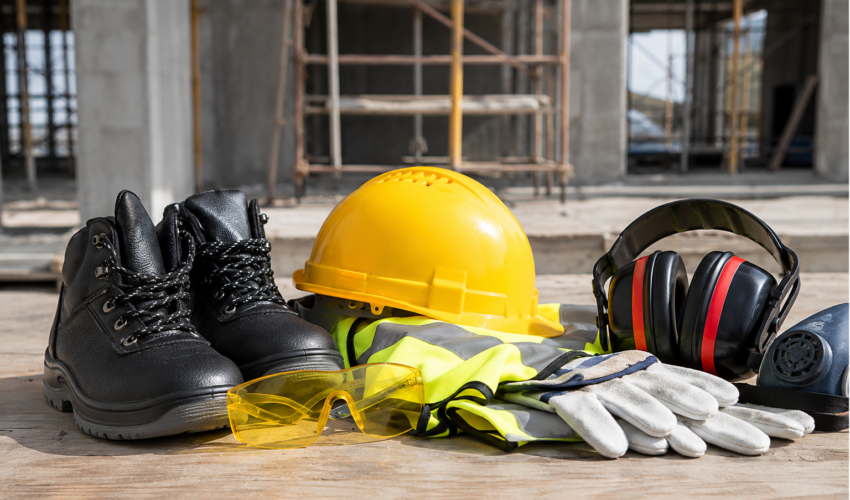
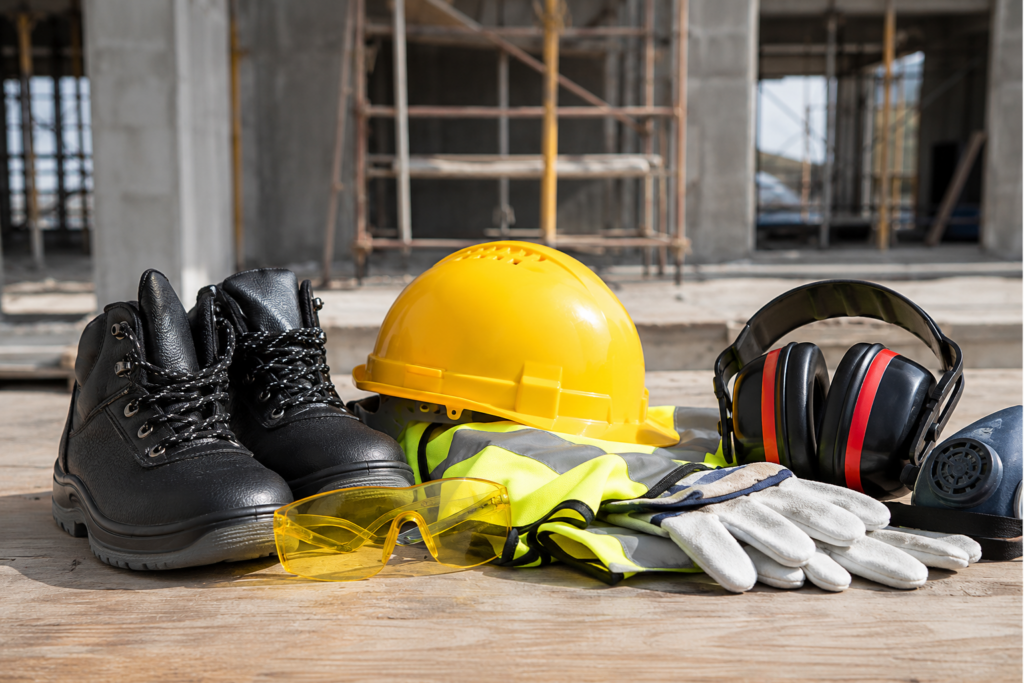
Worker safety equipment plays a critical role in protecting employees from workplace hazards across industries. Whether workers are employed in construction, manufacturing, warehousing, oil and gas, logistics, or maintenance operations, the use of proper worker safety equipment helps reduce the risk of injuries and ensures compliance with workplace safety regulations.
Every year, thousands of workplace accidents occur due to inadequate protection or improper use of Personal Protective Equipment (PPE). Therefore, investing in high-quality worker safety equipment is not only a legal requirement but also a smart business decision that protects workers, improves productivity, and reduces downtime.
What is Worker Safety Equipment?
Worker safety equipment refers to protective gear and devices designed to safeguard workers from physical, chemical, electrical, biological, and environmental hazards encountered during their daily tasks.
The primary purpose of worker safety equipment is to minimize exposure to risks and provide protection against accidents that could result in injuries or fatalities.
Common worker safety equipment includes:
- Safety Shoes
- Safety Helmets
- Safety Gloves
- Safety Goggles
- Face Shields
- Respiratory Protection
- Reflective Safety Jackets
- Ear Protection
- Fall Protection Equipment
- Protective Clothing
Why Worker Safety Equipment is Important
Proper worker safety equipment significantly reduces workplace accidents and creates a safer working environment.
Some key benefits include:
Injury Prevention
Safety equipment acts as the first line of defense against workplace hazards. It protects workers from impacts, slips, falls, cuts, burns, chemical exposure, and electrical risks.
Regulatory Compliance
Many industries are required to comply with occupational health and safety regulations. Providing suitable worker safety equipment helps organizations meet safety standards and avoid penalties.
Improved Productivity
Workers perform more confidently when they feel protected. As a result, productivity often increases while accident-related interruptions decrease.
Reduced Operational Costs
Fewer workplace injuries lead to lower medical expenses, reduced compensation claims, and minimized downtime.
Essential Types of Worker Safety Equipment
1. Safety Shoes
Safety shoes protect workers from falling objects, punctures, slips, and electrical hazards.
Key features include:
- Steel toe or composite toe protection
- Slip-resistant soles
- Oil-resistant outsoles
- Anti-static properties
- Impact resistance
Industries such as construction, manufacturing, logistics, and engineering rely heavily on safety footwear.
2. Safety Helmets
Head injuries can occur due to falling objects, collisions, or accidental impacts. Safety helmets provide essential protection in hazardous environments.
Safety helmets are commonly used in:
- Construction sites
- Infrastructure projects
- Mining operations
- Industrial facilities
3. Safety Gloves
Hands are among the most frequently injured body parts in industrial workplaces. Safety gloves help protect against:
- Cuts and abrasions
- Chemical exposure
- Heat and cold
- Mechanical hazards
- Electrical risks
Different glove materials are designed for specific applications.
4. Safety Goggles and Face Protection
Eye injuries can result from dust, chemicals, sparks, flying particles, or intense light.
Protective eyewear helps prevent:
- Eye irritation
- Chemical splashes
- Welding hazards
- Impact injuries
5. Reflective Safety Jackets
High-visibility clothing improves worker visibility, especially in low-light conditions.
Reflective safety jackets are widely used by:
- Road construction workers
- Traffic personnel
- Warehouse operators
- Logistics teams
- Emergency responders
6. Respiratory Protection Equipment
Dust, fumes, smoke, and airborne contaminants can cause serious health issues. Respiratory protective equipment helps workers breathe safely in hazardous environments.
Examples include:
- Dust masks
- N95 respirators
- Half-face respirators
- Full-face respirators
7. Fall Protection Equipment
Falls remain one of the leading causes of workplace injuries.
Fall protection systems include:
Construction Safety
- Full body harnesses
- Shock-absorbing lanyards
- Lifelines
- Anchorage systems
- Rope access equipment
These systems are essential for workers operating at height.
8. Hearing Protection
Prolonged exposure to high noise levels can cause permanent hearing damage.
Common hearing protection equipment includes:
- Ear plugs
- Ear muffs
- Noise reduction devices
How to Choose the Right Worker Safety Equipment
Selecting the correct worker safety equipment requires a thorough assessment of workplace hazards.
Consider the following factors:
Hazard Identification
Identify potential risks associated with specific job tasks and work environments.
Industry Requirements
Different industries require specialized protective equipment. For example, electrical workers need insulated safety gear, while chemical handlers require chemical-resistant PPE.
Comfort and Fit
Safety equipment should fit properly and allow workers to perform tasks comfortably.
Quality and Certification
Choose products that comply with recognized safety standards and certifications.
Durability
Industrial environments demand equipment that can withstand tough working conditions and provide long-term protection.
Common Mistakes When Using Worker Safety Equipment
Even the best equipment may fail if used incorrectly.
Avoid these common mistakes:
- Wearing damaged PPE
- Using the wrong equipment for the task
- Ignoring inspection schedules
- Improper storage of safety gear
- Lack of employee training
- Failure to replace expired equipment
Regular inspections and training programs help maximize safety performance.
Best Practices for Workplace Safety
To improve workplace safety, organizations should:
- Conduct regular safety audits
- Train employees on PPE usage
- Replace worn-out equipment promptly
- Enforce safety policies consistently
- Promote a strong safety culture
- Maintain proper documentation and inspection records
These practices help ensure worker safety equipment performs effectively when needed.
Conclusion
Worker safety equipment is a fundamental component of any workplace safety program. From safety shoes and helmets to gloves, goggles, respirators, and fall protection systems, every piece of equipment contributes to reducing workplace risks and protecting employees.
By selecting high-quality worker safety equipment and ensuring proper usage, organizations can create safer workplaces, improve compliance, and enhance operational efficiency. Investing in worker protection is not just about meeting regulations. It is about safeguarding lives and building a culture of safety that benefits everyone.