
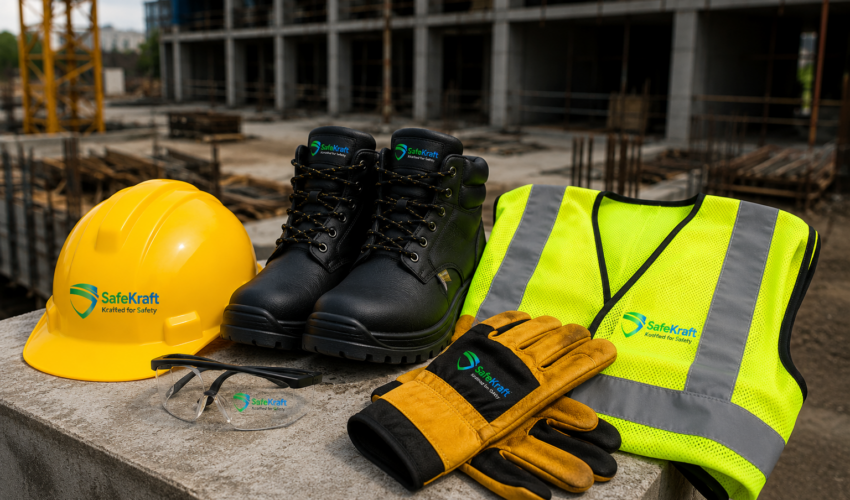
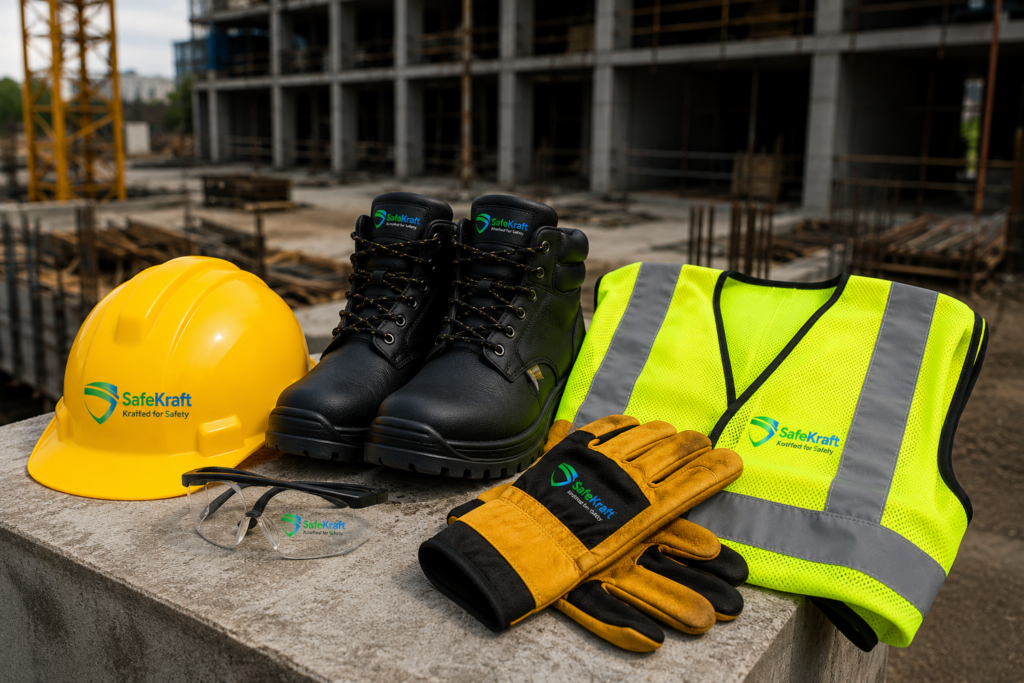
Construction sites are among the most hazardous workplaces, exposing workers to risks such as falling objects, slips, electrical hazards, dust, heavy machinery, and working at heights. To minimize these risks and create a safer working environment, proper Personal Protective Equipment (PPE) is essential.
Providing the right safety equipment not only protects workers from injuries but also helps organizations comply with safety regulations, improve productivity, and reduce workplace accidents.
This guide explores the essential safety equipment every construction site should have and why each item plays a critical role in worker protection.
Why Safety Equipment Is Important on Construction Sites
Construction activities involve multiple hazards that can cause serious injuries if proper precautions are not taken. Safety equipment acts as the first line of defense against workplace accidents.
Benefits of Construction Safety Equipment
- Reduces workplace injuries and fatalities
- Enhances worker confidence and productivity
- Supports compliance with safety standards
- Minimizes downtime caused by accidents
- Creates a safer and more efficient work environment
1. Safety Helmets (Hard Hats)
Safety helmets are one of the most important pieces of construction safety equipment. They protect workers from head injuries caused by falling objects, accidental impacts, and electrical hazards.
Key Features:
- Impact-resistant shell
- Comfortable suspension system
- Adjustable fit
- Electrical protection options
Common Applications:
- Building construction
- Road projects
- Industrial construction
- Infrastructure development
2. Safety Shoes
Construction workers often encounter uneven surfaces, heavy materials, sharp objects, and slippery conditions. Safety shoes help protect feet from crushing injuries, punctures, and slips.
Key Features:
- Steel toe or composite toe protection
- Slip-resistant sole
- Puncture-resistant midsole
- Water-resistant materials
Benefits:
- Improved stability
- Reduced risk of foot injuries
- Better comfort during long shifts
3. Safety Gloves
Workers frequently handle tools, machinery, concrete, metal, and construction materials. Safety gloves provide protection against cuts, abrasions, impacts, and chemical exposure.
Types of Gloves:
- Cut-resistant gloves
- Impact-resistant gloves
- General-purpose work gloves
- Chemical-resistant gloves
Benefits:
- Enhanced hand protection
- Better grip and control
- Improved productivity
4. Safety Goggles and Face Protection
Dust, flying debris, sparks, and chemical splashes can cause serious eye and face injuries. Safety goggles and face shields help protect workers from these hazards.
Key Features:
- Impact-resistant lenses
- Anti-fog coating
- Comfortable fit
- Full-face coverage options
Applications:
- Grinding operations
- Cutting tasks
- Welding activities
- Chemical handling
5. High-Visibility Safety Vests
Construction sites often involve moving vehicles, cranes, and heavy equipment. High-visibility clothing helps workers remain visible in low-light and busy work environments.
Benefits:
- Increased worker visibility
- Reduced risk of vehicle-related accidents
- Improved site safety awareness
Additional Safety Equipment Commonly Used
Fall Protection Equipment
Workers operating at heights require:
- Safety harnesses
- Lanyards
- Lifelines
- Anchor systems
Respiratory Protection
Dust, fumes, and airborne contaminants may require:
- Dust masks
- Respirators
- Disposable face masks
Hearing Protection
High-noise environments often require:
- Ear plugs
- Ear muffs
Best Practices for Construction Site Safety
To maximize the effectiveness of safety equipment:
- Conduct regular safety inspections
- Train workers on proper PPE usage
- Replace damaged equipment immediately
- Ensure PPE fits correctly
- Follow site-specific safety procedures
Common Mistakes to Avoid
- Wearing damaged PPE
- Ignoring safety training
- Using incorrect equipment for the task
- Failing to inspect equipment regularly
- Not replacing worn-out safety gear
Conclusion
Construction site safety starts with the right protective equipment. Essential items such as safety helmets, safety shoes, gloves, eye protection, and high-visibility clothing help reduce workplace risks and protect workers from serious injuries. By investing in quality safety equipment and promoting a strong safety culture, organizations can create safer, more productive construction sites while ensuring compliance with workplace safety requirements.
Frequently Asked Questions (FAQs)
1. What is the most important safety equipment on a construction site?
Safety helmets, safety shoes, gloves, eye protection, and high-visibility vests are among the most important PPE items used on construction sites.
2. Why are safety shoes necessary for construction workers?
Safety shoes protect workers from falling objects, punctures, slips, and crushing injuries.
3. What type of gloves are best for construction work?
The best gloves depend on the task, but cut-resistant and impact-resistant gloves are commonly used for construction applications.
4. When should workers wear safety goggles?
Safety goggles should be worn whenever there is a risk of dust, debris, sparks, or chemical exposure.
5. What is the purpose of high-visibility clothing?
High-visibility clothing improves worker visibility and reduces the risk of accidents involving vehicles and heavy machinery.
6. Is fall protection mandatory on construction sites?
Fall protection is required whenever workers perform tasks at heights where fall hazards exist.
7. How often should construction safety equipment be inspected?
Safety equipment should be inspected before use and regularly according to workplace safety procedures.