
Choosing the right safety footwear is not only about the sole, toe protection, or overall design. The materials used in the upper and lining also have an important role in comfort, durability, breathability, moisture management, and everyday workplace performance.
For workers in construction, manufacturing, engineering, logistics, warehouses, automotive facilities, and other demanding environments, properly designed industrial safety shoes can provide essential protection while supporting long working hours.
This guide explains some commonly used footwear materials, including full-grain leather, Crazy Horse leather, Cordura, Cambrella lining, Rice Mesh textile, and Spacer Fabric.
Why Footwear Materials Matter
A safety shoe may be worn for many hours each day. Therefore, the material should provide an appropriate balance between protection, comfort, durability, and ventilation.
The choice of material can influence:
- Durability
- Abrasion resistance
- Tear resistance
- Breathability
- Moisture management
- Foot comfort
- Flexibility
- Appearance
- Overall footwear life
For industrial applications, the material should also be selected according to the workplace environment and the manufacturer’s specifications.
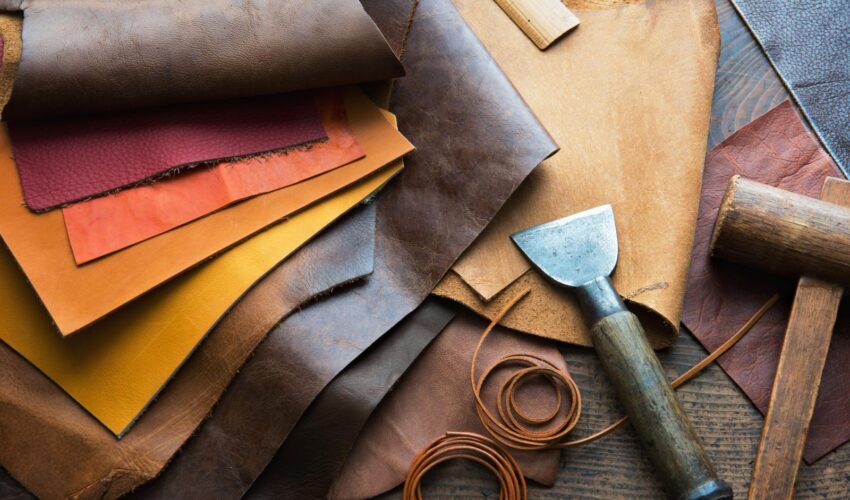
Leather for Safety Footwear
Leather remains a popular material for industrial safety footwear because it can provide durability and a traditional professional appearance.
The SafeKraft catalogue lists several leather options used for footwear uppers.
Full Grain Leather
Full-grain leather retains much of the natural grain of the hide. It is valued for its durability and ability to develop a distinctive appearance over time.
For safety footwear, the appropriate leather specification should be selected according to the intended industrial application.
Crazy Horse Leather
Crazy Horse leather is known for its distinctive finish and appearance. It can provide a premium look while being suitable for footwear applications when properly processed and finished.
Milled Smooth Leather
Milled smooth leather offers a smooth and refined surface. It can be used where manufacturers require a combination of appearance and functional footwear performance.
Haircell Leather
Haircell leather has a distinctive textured surface. The texture can provide a different appearance while supporting the requirements of footwear manufacturing.
Fine Suede
Fine suede provides a softer surface and a different visual appearance compared with smooth leather. Its suitability depends on the intended footwear application and required protection.
Water-Repellent Leather
The catalogue also describes leather with a special finish that provides a water-repellent property and increased resistance to abrasion.
This can be useful in workplaces where footwear may encounter occasional moisture or rough surfaces. However, water resistance and waterproofing are not necessarily the same, so the manufacturer’s specification should always be checked.
Cordura for Safety Shoes
Cordura is another material used in certain footwear applications.
According to the supplied SafeKraft catalogue information, Cordura fabric can be used for certain parts of the shoe upper or ankle area.
It is described as:
- Highly breathable
- Resistant to tearing
- Resistant to abrasion
- Durable
- Lightweight relative to its strength
- Suitable for certain inner-lining applications
- Available with water-repellent treatment
- Suitable for PU lamination technology
These properties can make suitable Cordura-based materials useful for footwear designed for demanding working conditions.
Why Abrasion Resistance Is Important
Industrial workers can frequently encounter rough surfaces, equipment, tools, and materials. As a result, footwear can experience repeated rubbing and contact.
An abrasion-resistant upper can help improve durability, depending on the complete footwear construction.
However, material performance should always be evaluated together with stitching, reinforcement, sole construction, toe protection, and other footwear components.
Cambrella Lining for Footwear
The supplied catalogue describes Cambrella lining as a material designed to provide greater comfort and hygiene.
It is described as breathable and capable of transferring humidity from the skin to the outside. It is also described as highly resistant to abrasion.
The catalogue further states that Cambrella lining can help with:
- Comfort
- Hygiene
- Moisture transfer
- Abrasion resistance
- Minimising hidden stains
- Reducing conditions associated with odour
- Prolonging footwear life
This type of lining can be particularly valuable in work safety shoes that are worn for extended periods.
Rice Mesh Textile
The catalogue also features Rice Mesh (Textile).
It is described as:
“Breathable, Absorbs and Releases moisture, Abrasion Resistant – Anti-slip.”
A breathable textile lining can help improve airflow around the foot. Moisture management can also contribute to a more comfortable footwear experience during long working shifts.
Spacer Fabric Lining
Another material shown in the catalogue is Spacer Fabric.
Spacer Fabric is described as a three-dimensional textile that is particularly flexible and breathable.
According to the supplied material information, it:
- Provides flexibility
- Supports breathability
- Helps ventilation around the foot
- Improves comfort
- Supports efficient stride
The choice of lining is therefore an important consideration when designing comfortable industrial safety shoes.
Upper Materials vs Lining Materials
The upper and lining perform different functions in footwear.
Upper Materials
The upper forms the external structure of the shoe. Materials such as leather and Cordura can contribute to:
- Durability
- Abrasion resistance
- Tear resistance
- Water repellency
- Structural support
- Overall appearance
Lining Materials
The lining is positioned closer to the foot. Materials such as Cambrella, Rice Mesh, and Spacer Fabric can contribute to:
- Breathability
- Moisture management
- Comfort
- Ventilation
- Reduced friction
- Internal footwear hygiene
Therefore, a well-designed safety shoe needs both an appropriate upper and a suitable lining.
How to Choose the Right Safety Footwear Material
When selecting safety footwear for industrial use, consider the actual working environment.
1. Consider the Workplace
Construction sites, factories, warehouses, workshops, and outdoor environments can have different footwear requirements.
2. Consider Moisture Exposure
If workers frequently encounter moisture, look for footwear with appropriate water-resistant or water-repellent properties.
3. Consider Abrasion
For demanding industrial environments, abrasion-resistant materials can help improve footwear durability.
4. Consider Breathability
Workers who wear shoes for long periods may benefit from breathable upper and lining materials.
5. Consider Comfort
A comfortable lining, appropriate fit, cushioning, and suitable sole design can help reduce discomfort during long shifts.
6. Check Safety Standards
Material selection is only one part of safety footwear. The complete shoe should meet the applicable requirements for its intended application.
Safety Footwear for Different Industries
Different workplaces can place different demands on footwear.
Construction
Construction workers may require footwear designed for demanding surfaces, impact hazards, and long periods of standing or walking.
Manufacturing
Factory environments can require durable footwear with suitable protection against workplace hazards.
Warehousing and Logistics
Warehouse employees often walk and stand for extended periods, making comfort, grip, durability, and appropriate protection important considerations.
Automotive Industry
Automotive workplaces may involve oils, machinery, metal components, and abrasive surfaces. Footwear should therefore be selected according to the identified hazards.
Engineering and Industrial Maintenance
Industrial maintenance work can involve varied environments. Durable uppers, comfortable linings, suitable soles, and appropriate safety features can all contribute to footwear performance.
SafeKraft Workplace Safety Equipment
Safety footwear is only one part of a complete PPE program. Depending on the workplace risk assessment, workers may also require hand protection, eye protection, head protection, hearing protection, respiratory protection, protective clothing, and fall-protection equipment.
For a broader range of workplace safety equipment and protective gear, explore the SafeKraft collection:
Workplace Safety Equipment & Protective Gear – SafeKraft
This internal link is relevant because it connects safety footwear materials with SafeKraft’s wider range of workplace PPE and protective equipment.
Frequently Asked Questions
What materials are commonly used in safety footwear?
Common materials include leather, synthetic fabrics, Cordura-type fabrics, mesh textiles, and specialist lining materials such as Cambrella and Spacer Fabric.
Is leather good for safety footwear?
Leather can provide durability, abrasion resistance, and a professional appearance. However, the suitability of a particular leather depends on its specification and the complete shoe construction.
What is Cordura used for in safety shoes?
Cordura fabric can be used in parts of the upper or ankle area. The supplied SafeKraft catalogue describes it as breathable with enhanced tear and abrasion resistance.
What is Cambrella lining?
Cambrella is a footwear lining material described in the SafeKraft catalogue as breathable, moisture-transferring, and abrasion resistant. It is intended to support comfort and hygiene.
What is Rice Mesh textile?
Rice Mesh is a textile material described as breathable, moisture absorbing and releasing, abrasion resistant, and anti-slip.
What is Spacer Fabric?
Spacer Fabric is a three-dimensional textile lining designed to provide flexibility and breathability while supporting ventilation and comfort.
Why is breathable lining important in safety shoes?
Breathable lining can help improve airflow and moisture management around the foot, which may contribute to greater comfort during extended use.
Are safety footwear materials enough to determine protection?
No. Protection depends on the complete footwear design, including the sole, toe protection, construction, materials, applicable standards, and intended application.
Conclusion
The materials used in safety footwear have an important influence on comfort, durability, breathability, moisture management, and everyday performance. Leather options can provide durable and protective uppers, while Cordura can offer breathability and resistance to tearing and abrasion.
For the inside of the footwear, materials such as Cambrella, Rice Mesh, and Spacer Fabric can help improve ventilation, moisture management, and comfort.
Ultimately, the best industrial safety shoes should be selected according to the hazards of the workplace, required protection, fit, comfort, applicable standards, and manufacturer’s specifications.
For more information about workplace PPE and protective products, visit: