
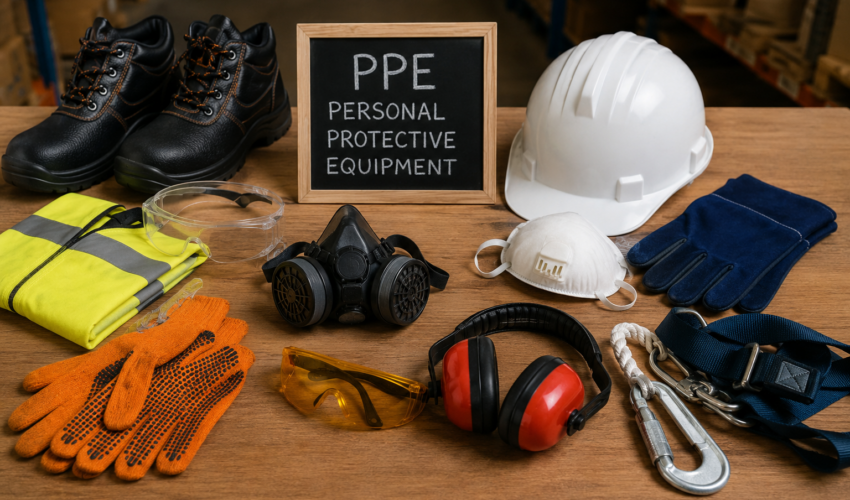
Personal Protective Equipment (PPE)
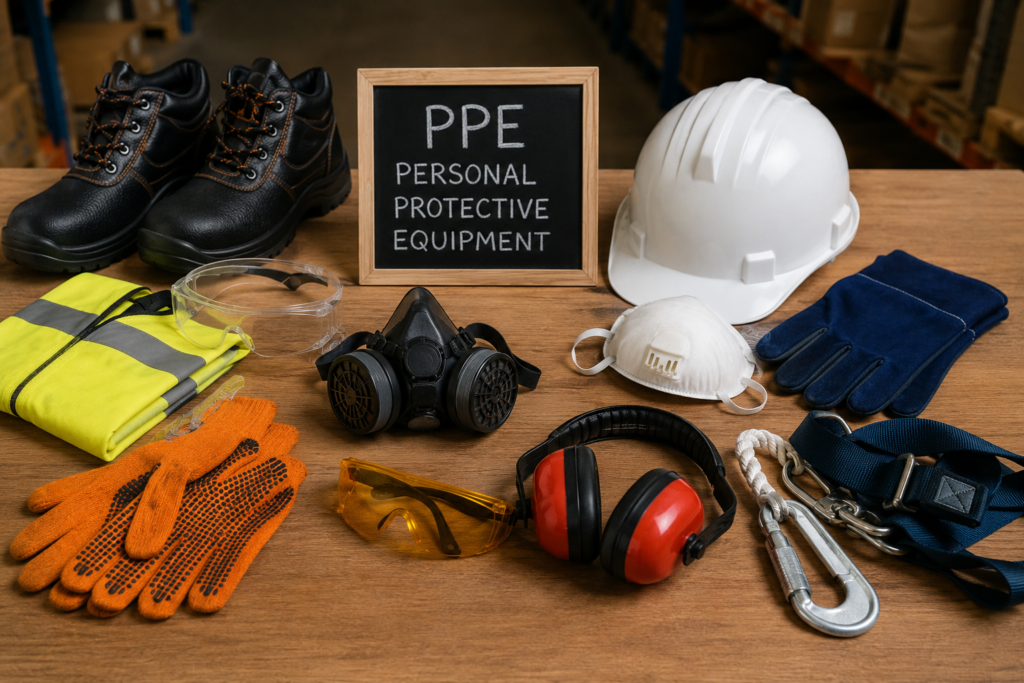
Every workplace comes with its own set of risks. Whether employees work in construction, manufacturing, warehouses, oil and gas facilities, electrical environments, or healthcare settings, safety should always be a top priority. This is where Personal Protective Equipment (PPE) plays a vital role.
PPE helps protect workers from injuries, reduces workplace accidents, and creates a safer working environment. From safety helmets and gloves to safety shoes and fall protection equipment, the right PPE can make a significant difference in preventing serious incidents.
What is Personal Protective Equipment (PPE)?
Personal Protective Equipment (PPE) refers to safety gear designed to protect workers from workplace hazards. PPE acts as the last line of defense when risks cannot be completely eliminated through engineering controls or safe work practices.
Common PPE products include:
- Safety Helmets
- Safety Shoes
- Safety Gloves
- Safety Harnesses
- Eye Protection
- Hearing Protection
- Respiratory Protection
- FR Coveralls and Protective Clothing
Why PPE is Important in the Workplace
Workplace injuries can lead to lost productivity, medical expenses, and long-term health issues. Using the right PPE helps reduce exposure to hazards and protects employees from potential accidents.
Key Benefits of PPE
✔ Reduces workplace injuries
✔ Improves employee safety
✔ Supports regulatory compliance
✔ Increases worker confidence
✔ Minimizes downtime caused by accidents
✔ Creates a strong safety culture
Types of PPE and Their Importance
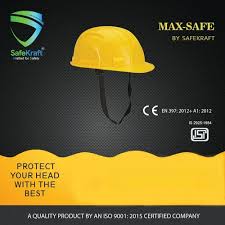
1. Head Protection
Safety helmets protect workers from falling objects, impacts, and electrical hazards. They are widely used in construction sites, factories, warehouses, and industrial facilities.
Related Products: Safety Helmets
2. Eye and Face Protection
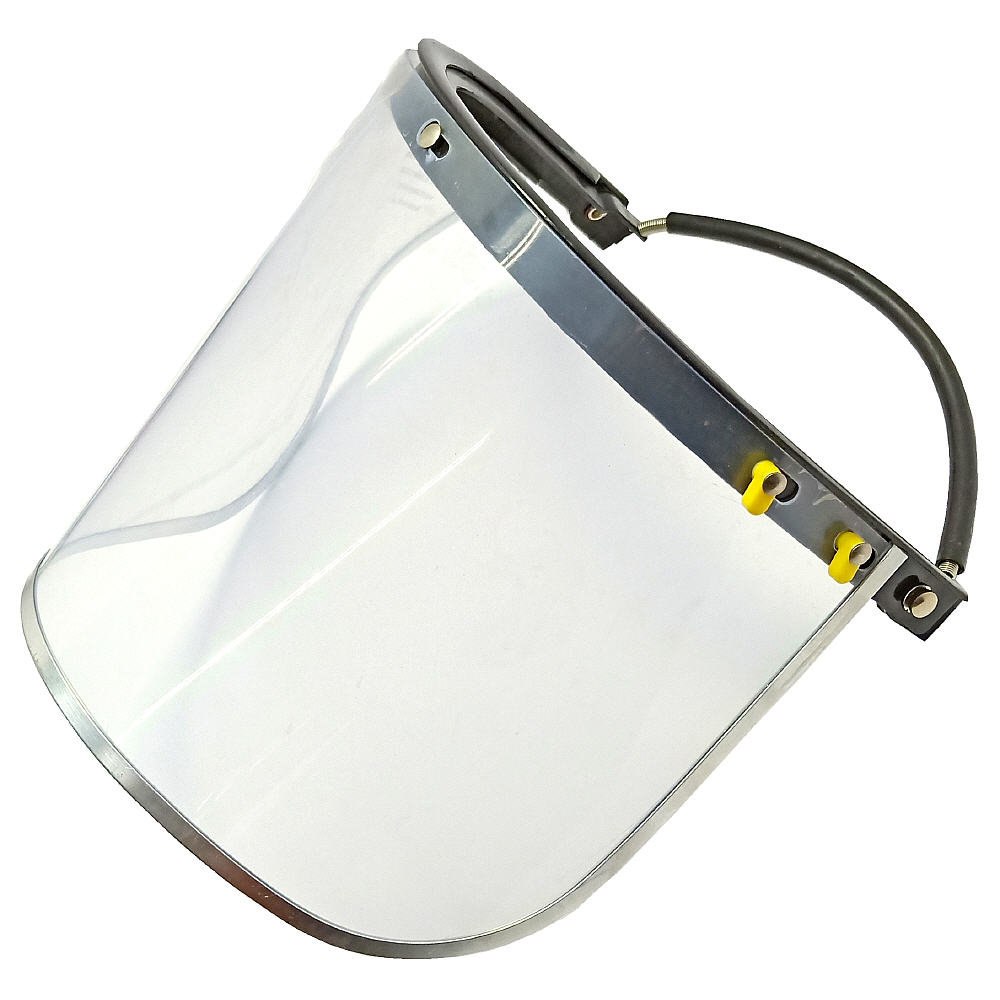
Safety glasses and face shields help protect workers from dust, flying particles, sparks, and chemical splashes.
Related Products: Safety Goggles and Face Shields
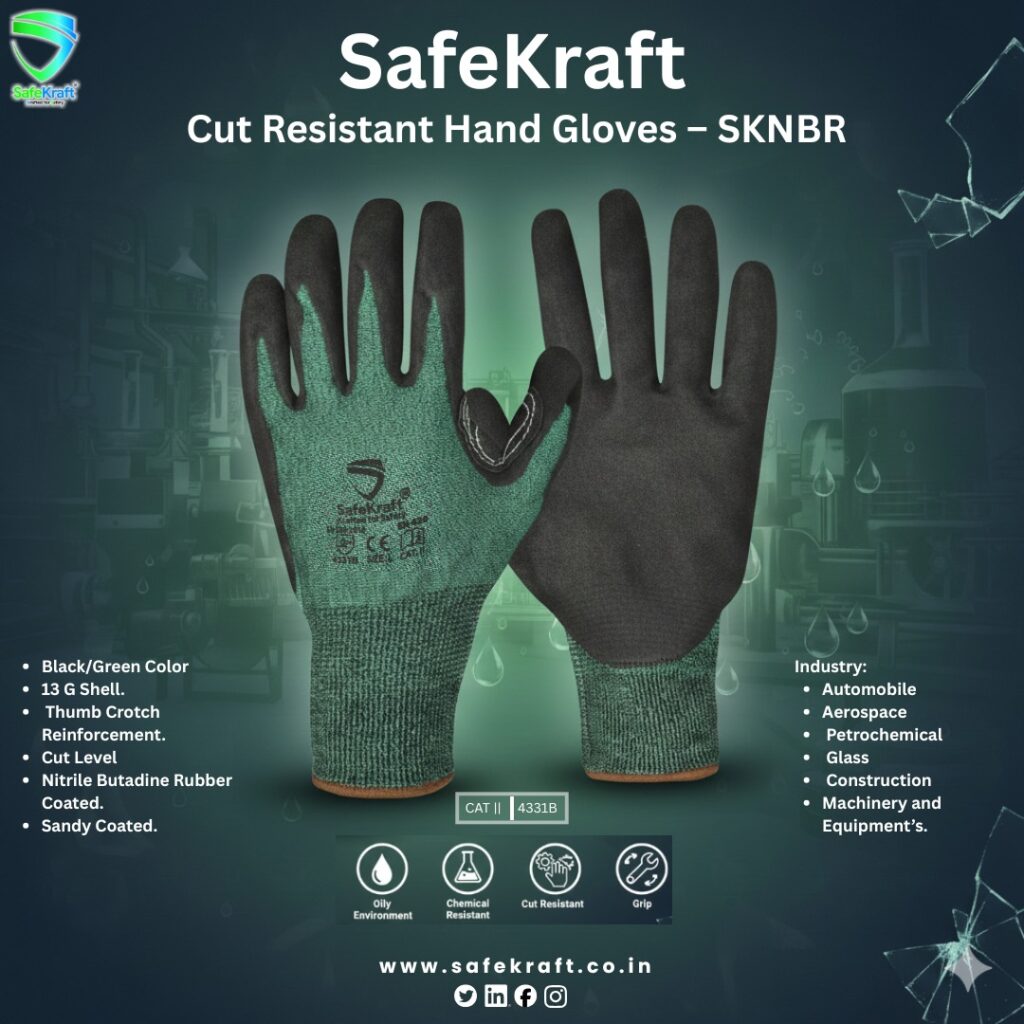
3. Hand Protection
Hands are exposed to cuts, abrasions, chemicals, and heat during daily operations. Safety gloves provide protection based on specific workplace risks.
Related Products: Cut Resistant Gloves, Heat Resistant Gloves, Chemical Resistant Gloves
4. Foot Protection
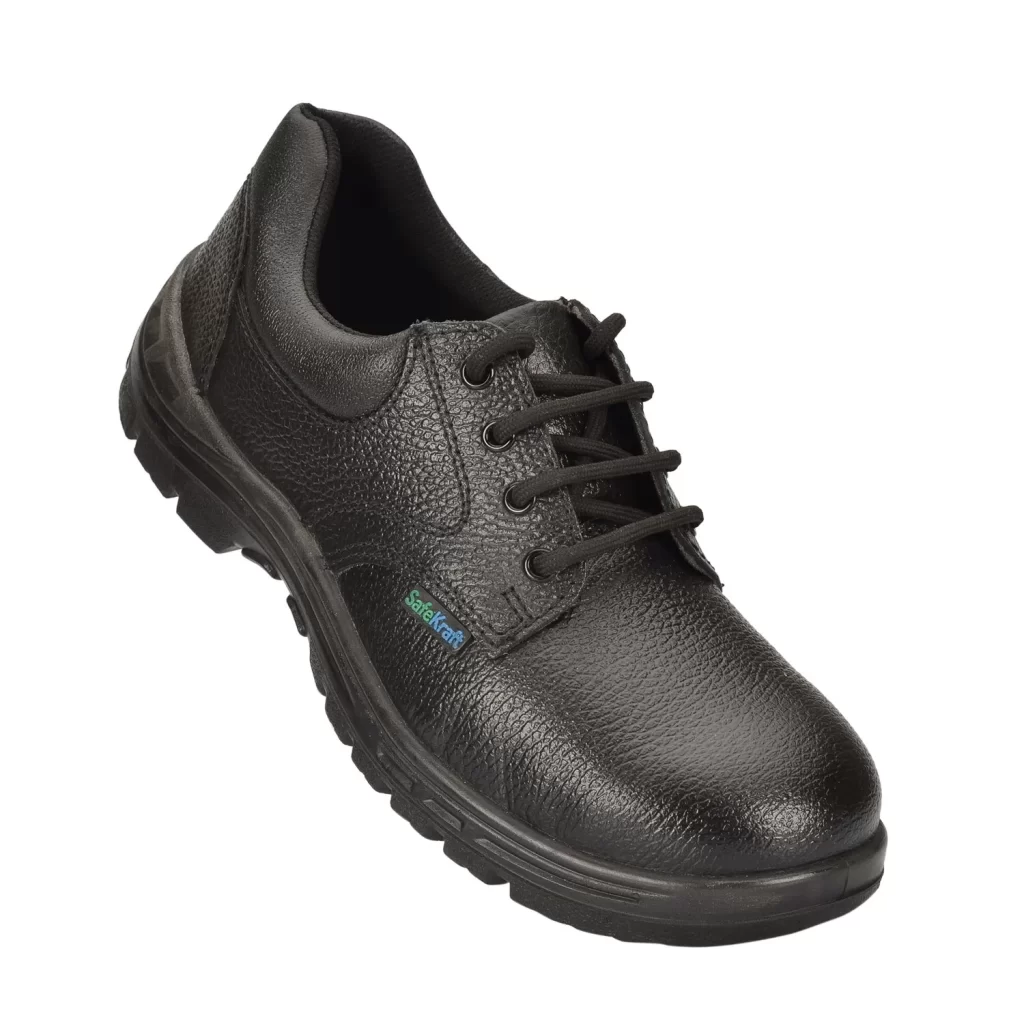
Safety shoes protect workers from falling objects, punctures, slips, and electrical hazards.
Related Products: Safety Shoes, ESD Safety Shoes, Steel Toe Safety Shoes
5. Respiratory Protection
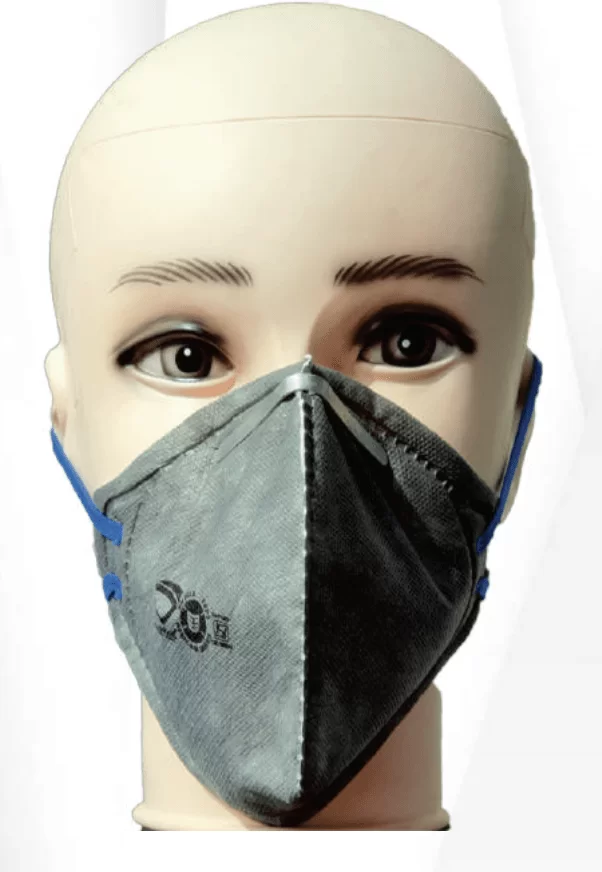
Respirators and face masks help protect workers from dust, fumes, smoke, and airborne contaminants.
Related Products: Respiratory Protection Equipment
6. Hearing Protection
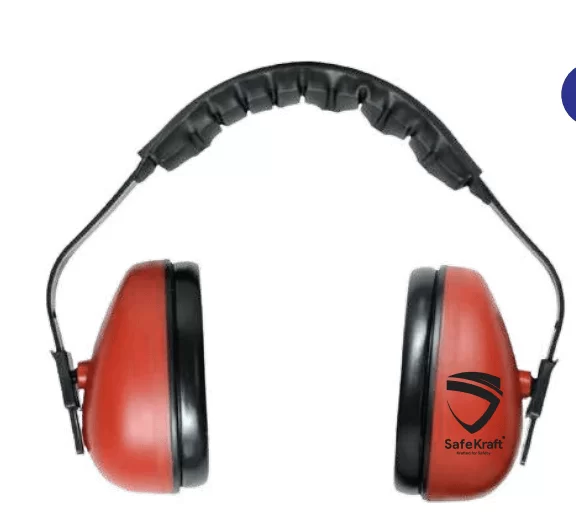
Employees working in high-noise environments need hearing protection to reduce the risk of long-term hearing damage.
Related Products: Ear Plugs and Ear Muffs
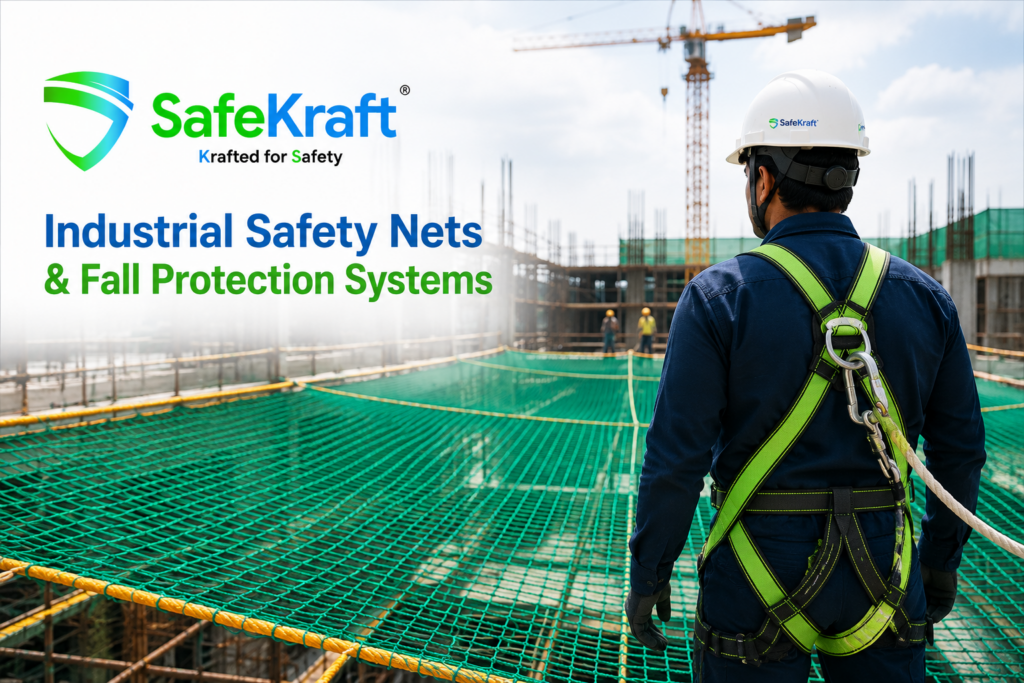
7. Fall Protection Equipment
Workers operating at heights require proper fall protection systems to prevent serious injuries.
Related Products: Safety Harnesses, Lanyards, Lifelines, Anchorage Systems
How to Choose the Right PPE
Selecting the right PPE starts with identifying workplace hazards. Employers should evaluate risks and choose equipment that meets industry standards and provides proper comfort and protection.
When selecting PPE, consider:
- Workplace hazards
- Industry requirements
- Product certifications
- Employee comfort
- Durability and quality
- Proper fit and sizing
Regular inspection and maintenance are also essential to ensure PPE continues to provide effective protection.
Build a Safer Workplace with Quality PPE
Investing in high-quality Personal Protective Equipment (PPE) is one of the most effective ways to improve workplace safety. From safety shoes and helmets to gloves and fall protection systems, every piece of PPE contributes to reducing risks and protecting workers.
At SafeKraft, we offer a wide range of workplace safety solutions designed for industrial, construction, manufacturing, electrical, logistics, and infrastructure sectors.
Explore our PPE product range and create a safer working environment for your workforce today.