


Introduction
Workplace safety is a critical responsibility for every organization operating in construction, manufacturing, mining, oil & gas, logistics, and industrial environments. Among all personal protective equipment (PPE), safety helmets play a vital role in protecting workers from head injuries caused by falling objects, impacts, electrical hazards, and workplace accidents.
However, not all safety helmets offer the same level of protection. To ensure maximum safety, organizations must select helmets that comply with recognized industrial safety helmet standards and certification requirements.
In this comprehensive guide, we will explore the most important industrial safety helmet standards, testing requirements, certifications, and best practices for selecting compliant head protection equipment.
Why Safety Helmet Standards Matter
A safety helmet is often the first line of defense against serious workplace injuries. Choosing certified helmets helps organizations:
- Protect workers from head injuries
- Meet workplace safety regulations
- Reduce accident-related costs
- Improve compliance during safety audits
- Enhance overall workplace safety culture
Using uncertified or substandard helmets can significantly increase the risk of severe injuries and legal liabilities.
What Are Industrial Safety Helmet Standards?
Industrial safety helmet standards are technical regulations established by national and international organizations to ensure helmets provide adequate protection under specific workplace conditions.
These standards define requirements for:
- Impact resistance
- Penetration resistance
- Electrical insulation
- Chin strap performance
- Flame resistance
- Shock absorption
- Helmet durability
Manufacturers must pass rigorous testing procedures before their helmets receive certification.
Major Industrial Safety Helmet Standards Worldwide
1. IS 2925: Industrial Safety Helmets Standard (India)
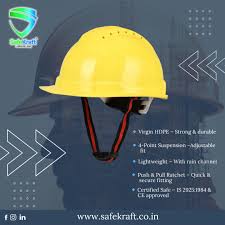
IS 2925 is the primary Indian standard for industrial safety helmets.
Developed by the Bureau of Indian Standards (BIS), this standard specifies performance requirements for industrial head protection used in various workplaces.
Key Requirements
- Impact absorption testing
- Penetration resistance testing
- Chin strap strength verification
- Electrical insulation evaluation
- Material quality assessment
Suitable Industries
- Construction
- Manufacturing
- Warehousing
- Infrastructure projects
- Utilities
Reference Guide: https://www.bis.gov.in
2. ANSI/ISEA Z89.1 Standard (United States)
The ANSI/ISEA Z89.1 standard is widely recognized across North America.
This standard classifies helmets according to impact protection and electrical protection capabilities.
Helmet Types
Type I
- Protection from impacts to the top of the head
Type II
- Protection from impacts to the top and sides of the head
Helmet Classes
Class G (General)
- Electrical protection up to 2,200 volts
Class E (Electrical)
- Electrical protection up to 20,000 volts
Class C (Conductive)
- No electrical protection
Common Applications
- Construction
- Utility services
- Electrical maintenance
- Industrial manufacturing
Reference Guide: https://safekraft.co.in/
3. EN 397 Standard (Europe)
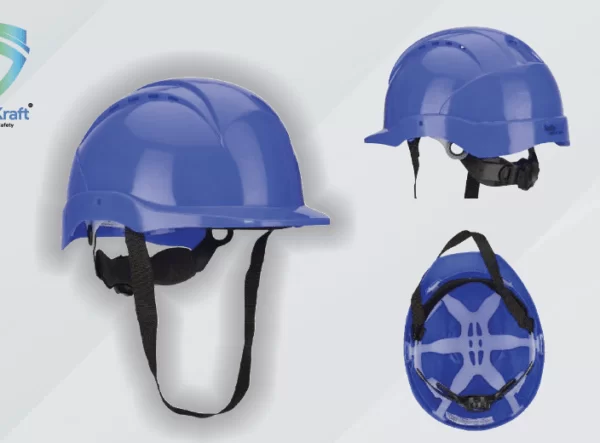
EN 397 is the primary European standard for industrial safety helmets.
This standard ensures helmets can withstand workplace hazards commonly encountered across industrial sectors.
Performance Tests Include
- Shock absorption
- Penetration resistance
- Chin strap effectiveness
- Flame resistance
- Low-temperature performance
Industries Covered
- Construction
- Mining
- Heavy engineering
- Industrial operations
Reference Guide: https://safekraft.co.in/
4. EN 12492 Standard (Mountaineering and Height Safety)
Although originally developed for mountaineering, EN 12492 helmets are increasingly used in industrial work-at-height applications.
Features
- Enhanced side-impact protection
- Strong retention systems
- Improved chin strap performance
Ideal For
- Rope access technicians
- Tower maintenance crews
- Wind energy projects
- Telecom infrastructure work
5. OSHA Head Protection Requirements
The Occupational Safety and Health Administration (OSHA) requires employers to provide appropriate head protection whenever workers are exposed to potential head injury hazards.
OSHA references recognized standards such as ANSI Z89.1 to determine compliance.
OSHA Requires Protection Against
- Falling objects
- Electrical hazards
- Impact injuries
- Workplace accidents
Reference Guide: https://safekraft.co.in/
Key Safety Helmet Tests and Certifications
Impact Resistance Test
Helmets are subjected to controlled impacts using weighted objects to ensure they can absorb shock and reduce injury severity.
Penetration Resistance Test
Sharp objects are dropped onto the helmet shell to verify that they cannot penetrate the protective structure.
Electrical Insulation Test
Helmets designed for electrical environments undergo voltage testing to confirm insulation capabilities.
Flame Resistance Test
Certain standards require helmets to resist ignition and self-extinguish after flame exposure.
Retention System Test
Chin straps and suspension systems are evaluated to ensure helmets remain securely positioned during an accident.
How to Choose a Certified Industrial Safety Helmet
When purchasing industrial safety helmets, buyers should evaluate the following criteria:
Verify Certification
Always check for certification markings such as:
- IS 2925
- ANSI Z89.1
- EN 397
- EN 12492
Assess Workplace Hazards
Identify specific risks, including:
- Falling objects
- Electrical exposure
- Side impacts
- Working at heights
- Extreme temperatures
Check Helmet Comfort
A comfortable helmet improves compliance among workers.
Look for:
- Adjustable suspension systems
- Ventilation options
- Lightweight construction
- Sweatbands
- Secure chin straps
Review Manufacturing Date
Safety helmets have a limited service life.
Always verify:
- Manufacturing date
- Recommended replacement schedule
- Storage conditions
Common Mistakes to Avoid
Many organizations unknowingly compromise worker safety by making these mistakes:
❌ Purchasing helmets based only on price
❌ Ignoring certification labels
❌ Using damaged helmets
❌ Failing to inspect helmets regularly
❌ Continuing to use expired helmets
❌ Using helmets not designed for specific workplace hazards
Safety Helmet Inspection Checklist
Before each use, workers should inspect:
- Helmet shell for cracks
- Suspension system condition
- Chin strap integrity
- Signs of UV damage
- Dents or deformation
- Chemical contamination
Any damaged helmet should be replaced immediately.
Future Trends in Industrial Safety Helmets
Modern safety helmets are evolving beyond traditional protection.
Emerging innovations include:
- Smart helmets with sensors
- Integrated communication systems
- GPS tracking
- Impact detection technology
- Real-time safety monitoring
These technologies are helping organizations improve worker safety and operational efficiency.
Conclusion
Industrial safety helmet standards play a crucial role in protecting workers and ensuring workplace compliance. Whether following IS 2925, ANSI Z89.1, EN 397, or OSHA requirements, selecting certified head protection is essential for reducing risks and maintaining a safe work environment.
Organizations should prioritize certified helmets, conduct regular inspections, and ensure workers understand proper helmet usage. Investing in compliant safety helmets is not just a regulatory requirement—it is a commitment to worker safety, productivity, and long-term operational success.