
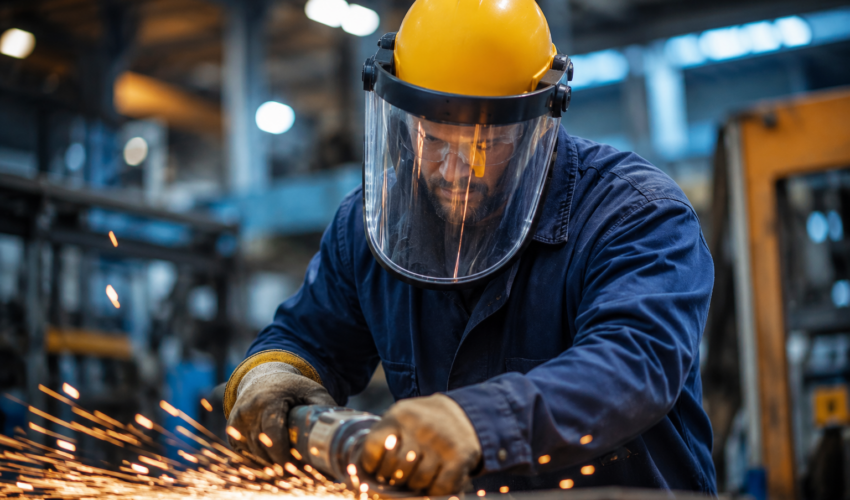
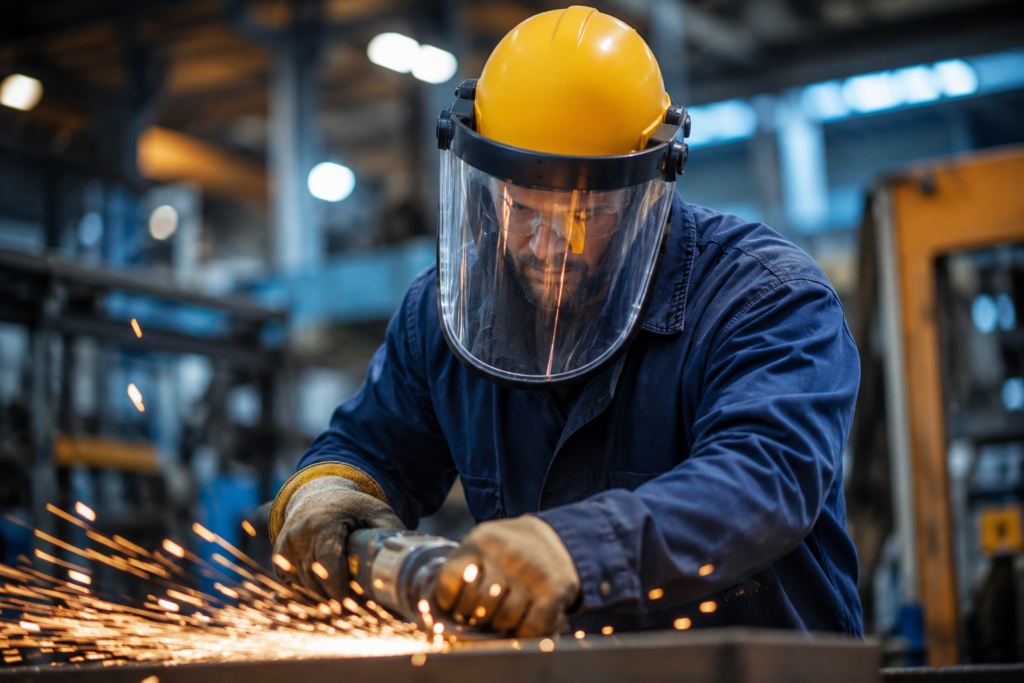
Workplace safety is a top priority across industries where employees are exposed to flying debris, chemical splashes, sparks, molten metal, dust, and other hazardous materials. While hard hats, gloves, and safety footwear are essential components of Personal Protective Equipment (PPE), face protection plays a critical role in preventing serious injuries and ensuring worker safety.
Selecting the right face protection equipment helps organizations reduce workplace accidents, improve productivity, and comply with safety regulations. This guide explores the importance of face protection, its benefits, and how to choose the right solution for different industrial environments.
Why Face Protection Is Important
The face is one of the most vulnerable parts of the body in industrial settings. Exposure to workplace hazards can result in burns, cuts, eye injuries, respiratory issues, and long-term health complications.
Proper face protection helps create a protective barrier between workers and potential hazards, significantly reducing the risk of injury.
Benefits of Face Protection
- Protects against flying particles and debris
- Reduces the risk of chemical splash injuries
- Shields the face from sparks and heat
- Enhances worker confidence and productivity
- Supports workplace safety compliance
- Minimizes injury-related downtime
Common Workplace Hazards Requiring Face Protection
Flying Particles
Grinding, cutting, drilling, and machining operations often generate particles that can cause facial injuries.
Chemical Splashes
Workers handling hazardous chemicals require face protection to prevent burns and irritation caused by accidental splashes.
Heat and Sparks
Welding, metal fabrication, and foundry operations expose workers to intense heat, sparks, and molten metal.
Dust and Airborne Contaminants
Construction sites, mining operations, and manufacturing facilities frequently generate dust that can affect both facial safety and respiratory health.
Biological Hazards
Healthcare, laboratory, and sanitation workers may require face protection against biological contaminants and infectious materials.
Types of Face Protection Equipment
Face Shields
Face shields provide full-face coverage and are commonly used in manufacturing, construction, chemical handling, and welding applications.
Welding Face Shields
Designed to protect against sparks, heat, ultraviolet (UV), and infrared (IR) radiation generated during welding processes.
Chemical Splash Face Shields
These shields offer additional protection against hazardous liquid splashes and are commonly used in laboratories and chemical industries.
Disposable Face Protection
Used in healthcare and controlled environments where contamination control is essential.
How to Choose the Right Face Protection
1. Assess Workplace Hazards
Identify the specific risks employees face during daily operations. Different hazards require different levels of protection.
2. Ensure Compatibility with Other PPE
Face protection should work effectively with:
- Safety helmets
- Safety goggles
- Respirators
- Hearing protection devices
3. Consider Comfort and Fit
Workers are more likely to wear protective equipment consistently when it is comfortable and lightweight.
Look for:
- Adjustable headgear
- Lightweight materials
- Anti-fog designs
- Ergonomic construction
4. Choose Durable Materials
Industrial face protection should withstand harsh working conditions while maintaining visibility and protection.
5. Verify Safety Standards
Always select face protection equipment that meets applicable industry safety requirements and quality standards.
Industries That Require Face Protection
Construction
Workers face risks from flying debris, dust, and equipment-related hazards.
Manufacturing
Machining, grinding, and fabrication processes require reliable face protection.
Welding and Metalworking
Face shields help protect against sparks, heat, and radiant energy.
Chemical Processing
Protection against chemical splashes is critical for worker safety.
Oil and Gas
Workers often operate in high-risk environments where face protection is necessary.
Mining
Dust, debris, and equipment hazards make face protection an essential safety requirement.
Best Practices for Face Protection Maintenance
To ensure maximum performance:
- Inspect equipment before each use
- Clean face shields regularly
- Store PPE in a clean and dry location
- Replace damaged or scratched shields immediately
- Follow manufacturer maintenance guidelines
Common Mistakes to Avoid
- Using damaged face protection equipment
- Selecting protection without assessing workplace hazards
- Ignoring compatibility with other PPE
- Failing to train workers on proper usage
- Delaying replacement of worn-out equipment
Conclusion
Face protection is a critical component of workplace safety, helping workers stay protected from a wide range of industrial hazards. Whether dealing with flying particles, chemical splashes, sparks, or dust, the right face protection equipment significantly reduces injury risks and promotes a safer working environment. By selecting appropriate protection, maintaining equipment properly, and ensuring worker compliance, organizations can strengthen their overall safety culture and protect their most valuable asset—their workforce.
Frequently Asked Questions (FAQs)
1. What is face protection equipment?
Face protection equipment includes face shields and protective devices designed to safeguard the face from workplace hazards such as debris, chemicals, sparks, and heat.
2. When should face shields be used?
Face shields should be used whenever workers are exposed to hazards that could cause facial injuries, including grinding, welding, cutting, and chemical handling tasks.
3. Are face shields a replacement for safety goggles?
No. Face shields often provide additional protection but may need to be used with safety goggles for complete eye and face protection.
4. Which industries commonly use face protection?
Construction, manufacturing, mining, chemical processing, oil and gas, healthcare, and welding industries frequently require face protection.
5. How often should face shields be replaced?
Replace face shields immediately if they become scratched, cracked, damaged, or no longer provide clear visibility.
6. What materials are used in industrial face shields?
Many face shields use durable materials such as polycarbonate that provide excellent impact resistance and visibility.
7. Why is face protection important in workplace safety?
Face protection helps prevent injuries, improves worker confidence, supports compliance, and contributes to a safer work environment