
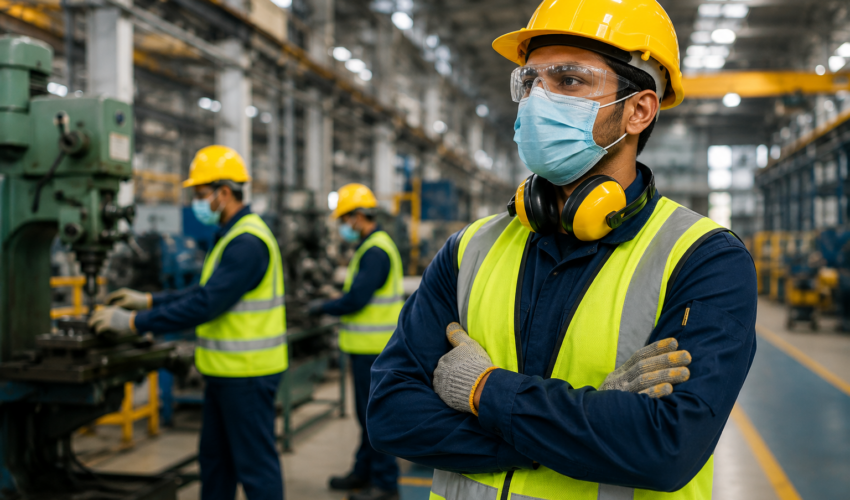
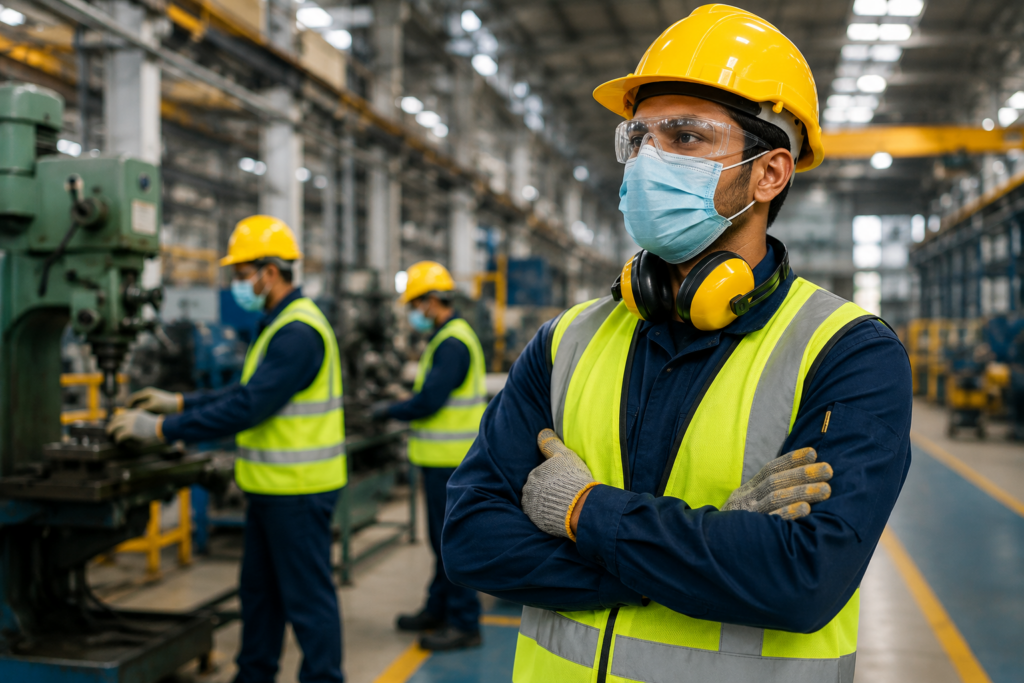
Factory safety is a critical responsibility for every employer. Industrial facilities contain numerous hazards, including moving machinery, electrical systems, hazardous materials, heavy equipment, and elevated work areas. Without proper safety measures, workplace accidents can result in injuries, production losses, legal liabilities, and operational disruptions.
Implementing effective factory safety guidelines helps employers create a safer work environment, improve productivity, and ensure compliance with workplace safety regulations. A proactive approach to safety not only protects employees but also strengthens business performance and reputation.
In this comprehensive guide, we explore the most important factory safety guidelines every employer should follow.
Why Factory Safety Matters
Factories are among the most complex working environments. Employees often work near machinery, forklifts, electrical installations, chemicals, and production equipment.
Strong factory safety programs help organizations:
- Reduce workplace accidents
- Protect employees from injuries
- Improve operational efficiency
- Reduce compensation claims
- Ensure regulatory compliance
- Enhance employee morale
- Minimize downtime and disruptions
A safe workplace benefits both employees and employers.
Conduct Regular Workplace Risk Assessments
One of the most important factory safety guidelines is identifying workplace hazards before accidents occur.
Employers should regularly assess:
- Machinery hazards
- Slip and trip hazards
- Electrical risks
- Fire hazards
- Chemical exposure risks
- Manual handling risks
- Working at height hazards
Risk assessments help organizations implement preventive measures before incidents happen.
Provide Appropriate Personal Protective Equipment (PPE)
Personal Protective Equipment serves as the last line of defense against workplace hazards.
Common PPE includes:
- Safety Shoes
- Safety Helmets
- Safety Gloves
- Safety Goggles
- Face Shields
- Respirators
- Reflective Safety Jackets
- Ear Protection
- Fall Protection Equipment
Employers should ensure workers receive suitable PPE based on their specific job roles and workplace hazards.
Ensure Proper Employee Safety Training
Even the best safety equipment is ineffective if employees do not know how to use it properly.
Every factory should provide training on:
- Workplace hazards
- PPE usage
- Emergency procedures
- Fire safety
- Equipment operation
- Lockout and tagout procedures
- Hazard reporting
Regular refresher training helps maintain safety awareness.
Maintain Machinery and Equipment Regularly
Poorly maintained equipment can become a major source of workplace accidents.
Employers should establish preventive maintenance schedules for:
- Production machinery
- Material handling equipment
- Forklifts
- Compressors
- Electrical systems
- Safety devices
Routine inspections help identify potential failures before they create hazards.
Implement Clear Safety Signage
Safety signs provide workers with important information and warnings.
Factories should use signage for:
- Emergency exits
- Fire equipment
- Hazardous areas
- PPE requirements
- Restricted zones
- First aid stations
Clear visual communication helps reduce confusion and improve workplace safety.
Establish Emergency Response Procedures
Every factory should have documented emergency procedures.
Emergency plans should cover:
- Fire emergencies
- Chemical spills
- Medical incidents
- Power failures
- Equipment malfunctions
- Evacuation procedures
Employees should participate in regular emergency drills to ensure preparedness.
Maintain Good Housekeeping Practices
Poor housekeeping is a common cause of workplace injuries.
Employers should ensure:
- Walkways remain clear
- Tools are stored properly
- Spills are cleaned immediately
- Waste is disposed of correctly
- Materials are organized safely
Good housekeeping reduces slip, trip, and fall incidents.
Promote Safe Material Handling
Improper lifting techniques and unsafe material handling practices can cause serious injuries.
Employers should:
- Train workers in safe lifting methods
- Use mechanical lifting aids when possible
- Establish load handling procedures
- Monitor manual handling risks
Proper material handling protects workers from musculoskeletal injuries.
Strengthen Fire Safety Measures
Factories often contain combustible materials, electrical equipment, and ignition sources.
Fire safety measures should include:
- Fire extinguishers
- Emergency exits
- Fire alarms
- Fire drills
- Electrical inspections
- Safe storage of flammable materials
Fire prevention is a vital part of factory safety management.
Monitor Workplace Health and Safety Performance
Continuous monitoring helps organizations improve safety outcomes.
Employers should track:
- Near-miss incidents
- Injury reports
- Safety inspections
- Training completion
- Corrective actions
Analyzing safety data helps identify trends and opportunities for improvement.
Why High-Quality PPE is Essential for Factory Safety
Protective equipment plays a major role in reducing workplace injuries. Reliable PPE helps workers perform their duties safely in challenging industrial environments.
SafeKraft India Pvt Ltd offers a wide range of industrial safety products designed to support workplace safety programs, including:
- Safety Shoes
- Safety Helmets
- Safety Gloves
- Reflective Jackets
- Fall Protection Equipment
- Respiratory Protection
- Industrial PPE Solutions
High-quality PPE contributes significantly to accident prevention and worker protection.
Common Factory Safety Mistakes Employers Should Avoid
Many workplace accidents occur because of preventable mistakes.
Common examples include:
- Inadequate employee training
- Poor PPE compliance
- Ignoring equipment maintenance
- Lack of safety inspections
- Poor housekeeping
- Insufficient hazard assessments
- Weak emergency preparedness
Addressing these issues can significantly improve workplace safety performance.
Conclusion
Following effective factory safety guidelines is essential for protecting workers and maintaining efficient industrial operations. Employers who prioritize safety create stronger workplaces, reduce accidents, improve compliance, and support long-term business success.
By conducting risk assessments, providing proper PPE, maintaining equipment, training employees, and promoting a strong safety culture, organizations can significantly reduce workplace hazards.
Safety is not a one-time initiative. It is an ongoing commitment that requires continuous improvement, leadership involvement, and employee participation.
Frequently Asked Questions (FAQs)
1. What are factory safety guidelines?
Factory safety guidelines are procedures and practices designed to protect workers from workplace hazards and prevent accidents in industrial environments.
2. Why is factory safety important?
Factory safety helps reduce injuries, improve productivity, ensure compliance, and create a safer work environment for employees.
3. What PPE is commonly used in factories?
Common PPE includes safety shoes, helmets, gloves, goggles, respirators, reflective jackets, and hearing protection equipment.
4. How often should factory safety training be conducted?
Safety training should be provided during onboarding and reinforced regularly through refresher programs and toolbox talks.
5. What is the purpose of workplace risk assessments?
Risk assessments help identify hazards, evaluate risks, and implement controls before accidents occur.
6. How can employers improve factory safety?
Employers can improve safety by conducting inspections, maintaining equipment, providing PPE, training employees, and promoting safety awareness.
7. How does SafeKraft India Pvt Ltd support workplace safety?
SafeKraft India Pvt Ltd provides industrial PPE and safety solutions that help organizations protect workers and improve workplace safety standards.