
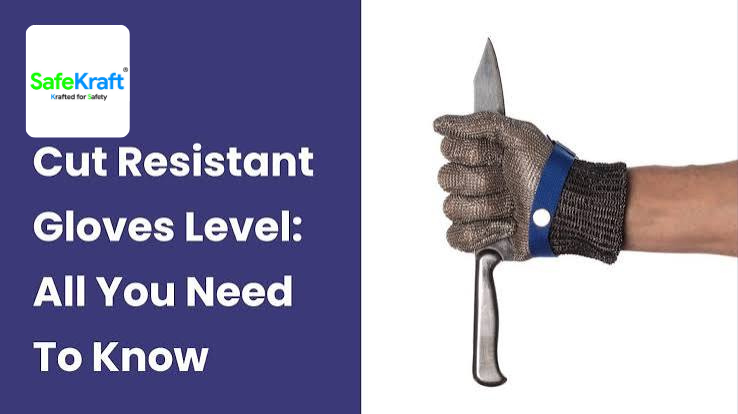
Cut Resistant Gloves: Understanding EN 388 Cut Resistance Levels
Choosing the right cut resistant gloves is an important part of workplace hand protection. Workers in manufacturing, metal handling, glass processing, automotive, construction, engineering, food processing, and other industries may come into contact with sharp edges or materials that can cause hand injuries.
However, not every cut resistant glove provides the same level of protection. This is why understanding EN 388 cut resistance levels can help businesses and safety professionals select gloves according to the hazards present in their workplace.
What Is EN 388?
EN 388 is a European standard used for protective gloves against mechanical risks. It covers performance characteristics such as abrasion, blade cut, tear, puncture, and, under the revised standard, additional cut resistance testing using the ISO 13997 method.
The updated EN 388:2016 system introduced a letter-based rating from A to F for the ISO 13997 cut test.
This provides additional information when evaluating gloves designed for higher cut-risk applications.
Why Is Cut Resistance Important?
Hands are exposed to many hazards during industrial work. Sharp metal edges, glass, blades, sheet materials, machinery components, and other objects can cause cuts or lacerations.
Selecting suitable PPE hand protection can help reduce exposure to these hazards.
However, the correct glove should always be selected according to the actual workplace risk. A higher cut rating does not automatically mean that a glove is suitable for every hazardous application.
Understanding EN 388:2016 Cut Levels
Under the ISO 13997 test used with EN 388:2016, cut resistance is represented by letters from A through F.
The levels indicate increasing resistance to the force required to cut through the glove material.
| EN 388:2016 Level | Cut Resistance |
|---|---|
| A | 2–4.9 N |
| B | 5–9.9 N |
| C | 10–14.9 N |
| D | 15–21.9 N |
| E | 22–29.9 N |
| F | 30+ N |
N = Newtons, a unit used to express force.
As the rating increases from A toward F, the glove demonstrates higher resistance in the ISO 13997 cut test.
What Do Cut Levels A to F Mean?
Level A – Lower Cut Resistance
Level A is intended for applications where the risk of cuts is relatively low.
Typical applications may include:
- Light material handling
- Small parts assembly
- General-purpose handling
- Light-duty industrial work
These gloves may be appropriate when workers need basic hand protection while maintaining good dexterity.
Level B – Moderate Cut Resistance
Level B provides a higher level of cut resistance than Level A.
It can be considered for applications such as:
- Packaging
- Warehousing
- Logistics
- White-goods manufacturing
- General material handling
The exact glove selection should still depend on the specific workplace hazard.
Level C – Increased Cut Resistance
Level C offers greater cut resistance and may be suitable for applications involving increased contact with sharp materials.
Examples include:
- Metal handling
- Light assembly
- Maintenance work
- Industrial handling
Workers should assess the sharpness and nature of the materials before selecting the glove.
Level D – High Cut Resistance
Level D is designed for applications where greater cut resistance is required.
Potential applications include:
- Electrical installation and assembly
- Automotive assembly
- Engineering
- Utilities
- Handling sharper components
For these environments, businesses should also consider other glove properties such as grip, dexterity, abrasion resistance, and puncture resistance.
Level E – Very High Cut Resistance
Level E is intended for higher-risk cut applications.
Examples may include:
- Metal stamping
- Metal fabrication
- Glass manufacturing
- Automotive assembly
- Food processing
- Waste handling
The correct glove should be selected after evaluating the specific hazards and operating conditions.
Level F – Highest ISO 13997 Cut Level
Level F represents the highest cut-resistance classification within the A–F scale.
It can be considered for applications involving particularly high cut hazards, such as:
- Heavy metal handling
- Metal stamping
- Pulp and paper applications
- Certain waste-handling operations
- Other high-risk sharp-material applications
Even with a Level F glove, employers must assess the complete hazard profile before deciding on PPE.
EN 388:2003 vs EN 388:2016
One common source of confusion is the difference between older and newer EN 388 cut ratings.
The earlier system used numerical cut levels, while the revised system introduced the A–F rating for the ISO 13997 test.
A simplified comparison is:
| Earlier Cut Rating | EN 388:2016 ISO 13997 Rating |
|---|---|
| 1 | A |
| 2 | B |
| 3 | C |
| 4 | D |
| 5 | E |
| — | F |
However, these ratings should not simply be treated as exact equivalents because the test methods and measurement approaches differ. The A–F rating provides additional information about cut resistance using the ISO 13997 test.
What Is the ISO 13997 Cut Test?
The ISO 13997 test measures the force required to cut through a protective material using a specified test method.
The result is expressed in Newtons and is then assigned an A–F classification under the relevant EN 388 requirements.
This method is particularly useful for materials that can affect the performance of the traditional Coup Test, such as certain high-cut-resistant materials.
Therefore, when purchasing high cut-resistant gloves, businesses should pay attention to the ISO 13997 rating shown on the glove’s certification or marking information.
The EN 388 Marking on Safety Gloves
EN 388 markings can provide useful information about a glove’s mechanical protection performance.
Depending on the glove and applicable test results, the marking can include ratings for:
- Abrasion resistance
- Blade cut resistance
- Tear resistance
- Puncture resistance
- ISO 13997 cut resistance
- Impact protection, where applicable
Therefore, buyers should not look at the cut rating alone.
For example, a worker handling sharp metal may require a combination of cut resistance, abrasion resistance, grip, durability, and suitable dexterity.
How to Choose the Right Cut Resistant Gloves
Choosing the right industrial safety gloves starts with identifying the workplace hazard.
1. Identify the Material Being Handled
Determine whether workers handle:
- Sheet metal
- Glass
- Blades
- Sharp components
- Packaging materials
- Machinery parts
- Food-processing materials
- Waste materials
2. Assess the Level of Risk
Consider the sharpness, weight, speed, and frequency of contact with the material.
3. Check the EN 388 Rating
Review the glove’s EN 388 performance information and ISO 13997 cut rating.
4. Consider Other Protection Requirements
Cut resistance may not be the only requirement. Depending on the application, you may also need protection against abrasion, puncture, tear, heat, chemicals, or impact.
5. Consider Grip and Dexterity
Workers need to handle tools and materials safely. A glove should therefore provide an appropriate balance between protection, grip, flexibility, and comfort.
Cut Resistance Is Not the Same as Puncture Resistance
This is an important distinction.
A glove that provides high cut resistance does not necessarily provide the same level of puncture resistance.
Cuts and punctures involve different hazards and require different performance characteristics.
Therefore, businesses should consider the complete EN 388 performance information rather than selecting gloves based only on the A–F cut rating.
Why Glove Fit Still Matters
Even a technically high-performing cut resistant glove needs to fit the worker correctly.
A glove that is too loose may interfere with grip and handling. A glove that is too tight may restrict movement and cause discomfort.
For this reason, workers should select the correct glove size in addition to the appropriate protection level.
Where to Explore Workplace Hand Protection
Businesses looking for workplace safety equipment and protective gear can explore SafeKraft’s range of safety products and PPE categories.
Explore Workplace Safety Equipment & Protective Gear – SafeKraft
This internal link is relevant because proper hand protection is one part of a wider workplace PPE program.
Frequently Asked Questions
What is the highest EN 388 cut resistance level?
Under the ISO 13997 A–F classification, Level F represents the highest cut-resistance classification.
What does Level C mean on cut resistant gloves?
Level C corresponds to an ISO 13997 cut resistance range of 10–14.9 Newtons.
What does Level D mean?
Level D corresponds to 15–21.9 Newtons under the ISO 13997 classification.
Is Level F better than Level C?
Level F demonstrates a higher cut resistance in the ISO 13997 test than Level C. However, the best glove depends on the actual workplace hazard and other required protection characteristics.
Are EN 388 and ISO 13997 the same?
No. EN 388 is the European standard covering protective gloves against mechanical risks, while ISO 13997 is a specific test method used to assess cut resistance.
Are cut-resistant gloves completely cut-proof?
No. No protective glove should automatically be considered completely cut-proof. Cut-resistant gloves are designed and tested to provide a specified level of resistance under defined test conditions.
What industries use cut resistant gloves?
Cut-resistant gloves can be used across industries such as manufacturing, automotive, metal fabrication, glass handling, engineering, construction, food processing, warehousing, and other applications where workers may encounter sharp materials.
Conclusion
Understanding EN 388 cut resistance levels can make it easier for businesses to evaluate protective gloves for different workplace hazards. The EN 388:2016 system uses the A–F ISO 13997 classification, with A representing lower resistance and F representing the highest classification within this test scale.
However, cut resistance should never be considered in isolation. Abrasion, tear, puncture, impact, grip, dexterity, comfort, glove size, and the actual workplace hazard should also be evaluated.
By selecting PPE according to the specific application and relevant standards, businesses can develop a more effective approach to industrial hand protection and workplace safety.